Ceramic Furniture Workshop in Joshua Tree, California [5 days]


Ceramic Furniture Workshop in Joshua Tree, California [5 days]
Dates: June 3- 7 [Five days]
Time: 10am- 5pm (hour lunch break at 1pm)
Where: 6455 Juniper Rd, Joshua Tree, CA 92252
Class: This course is limited to 15 students!
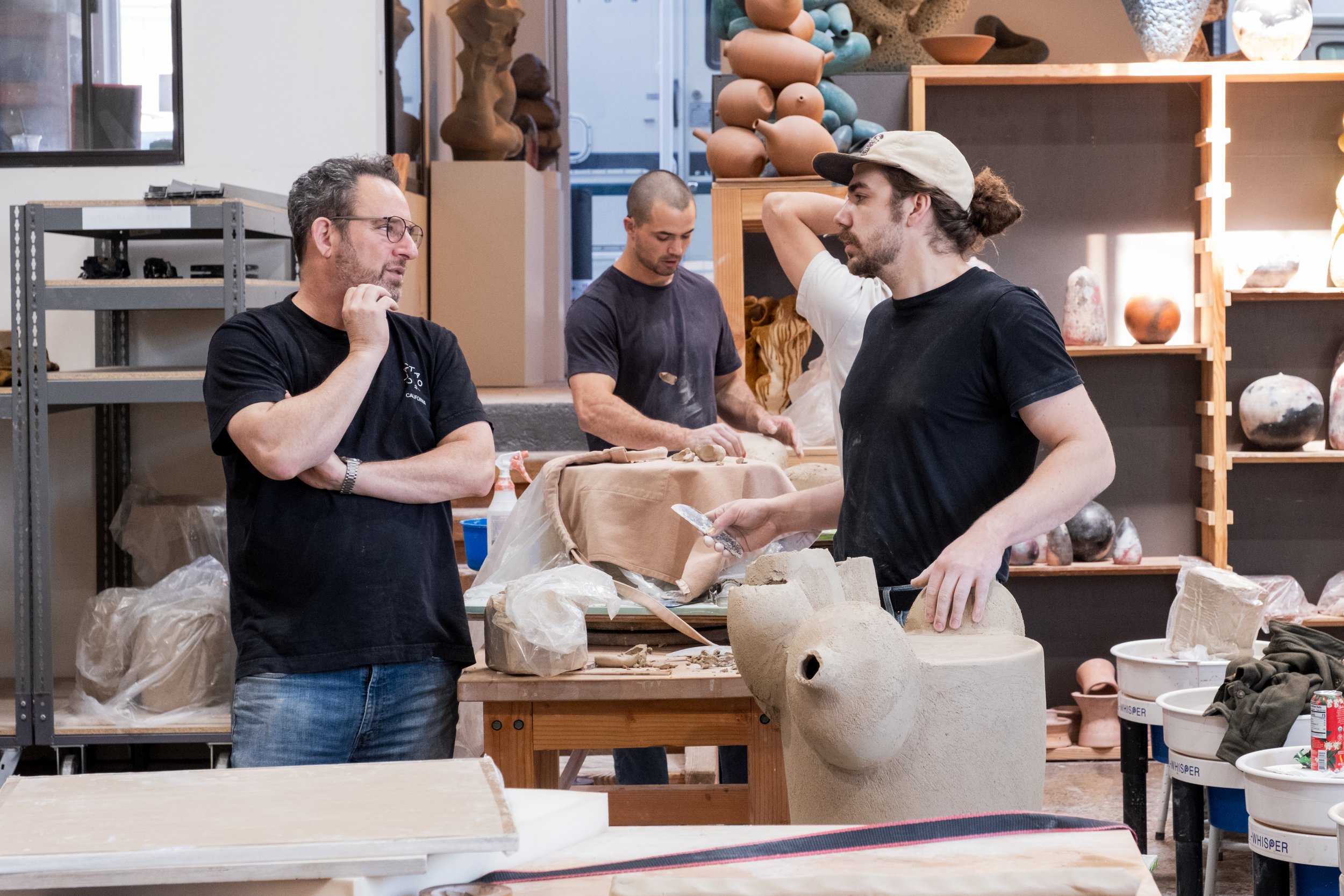
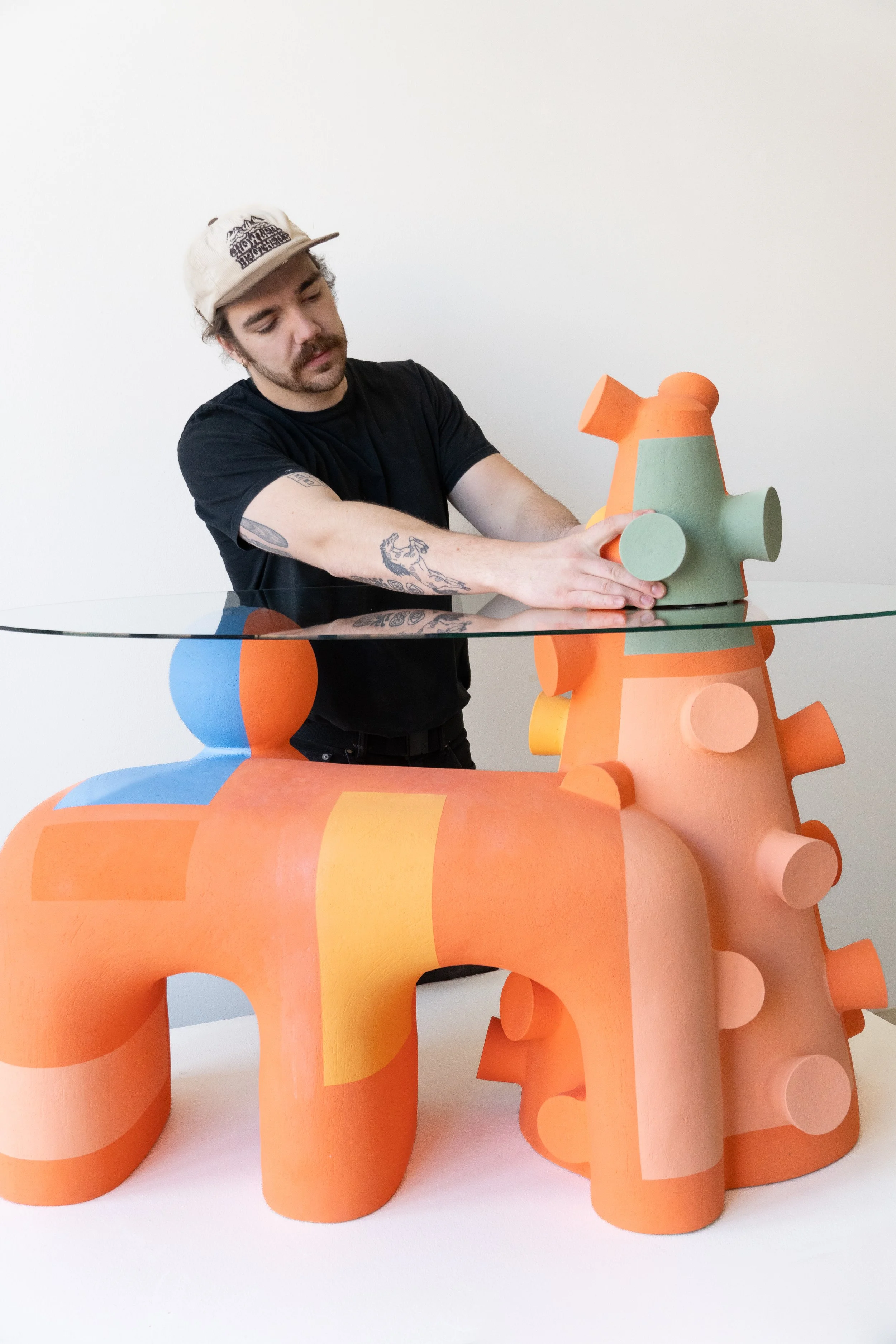
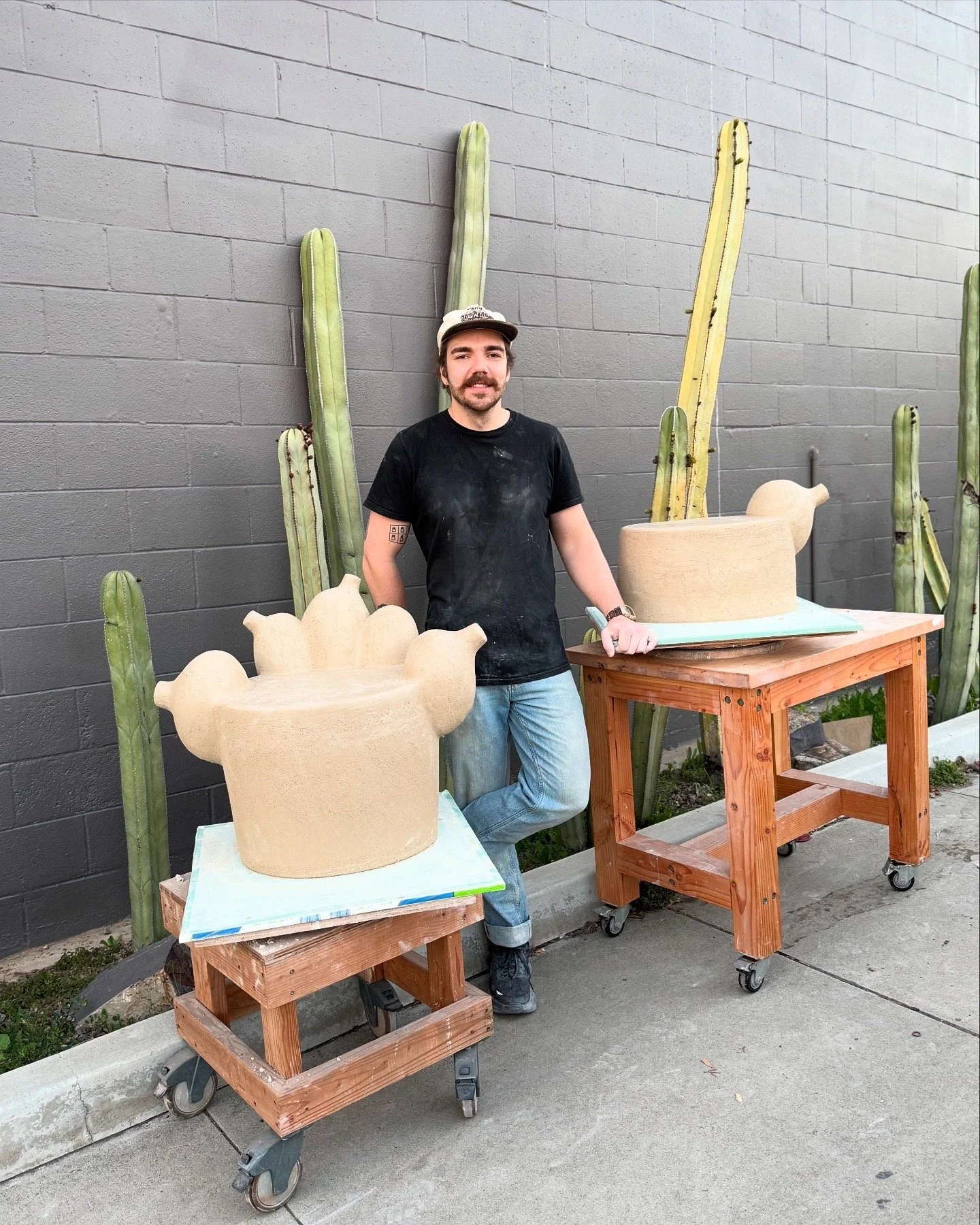
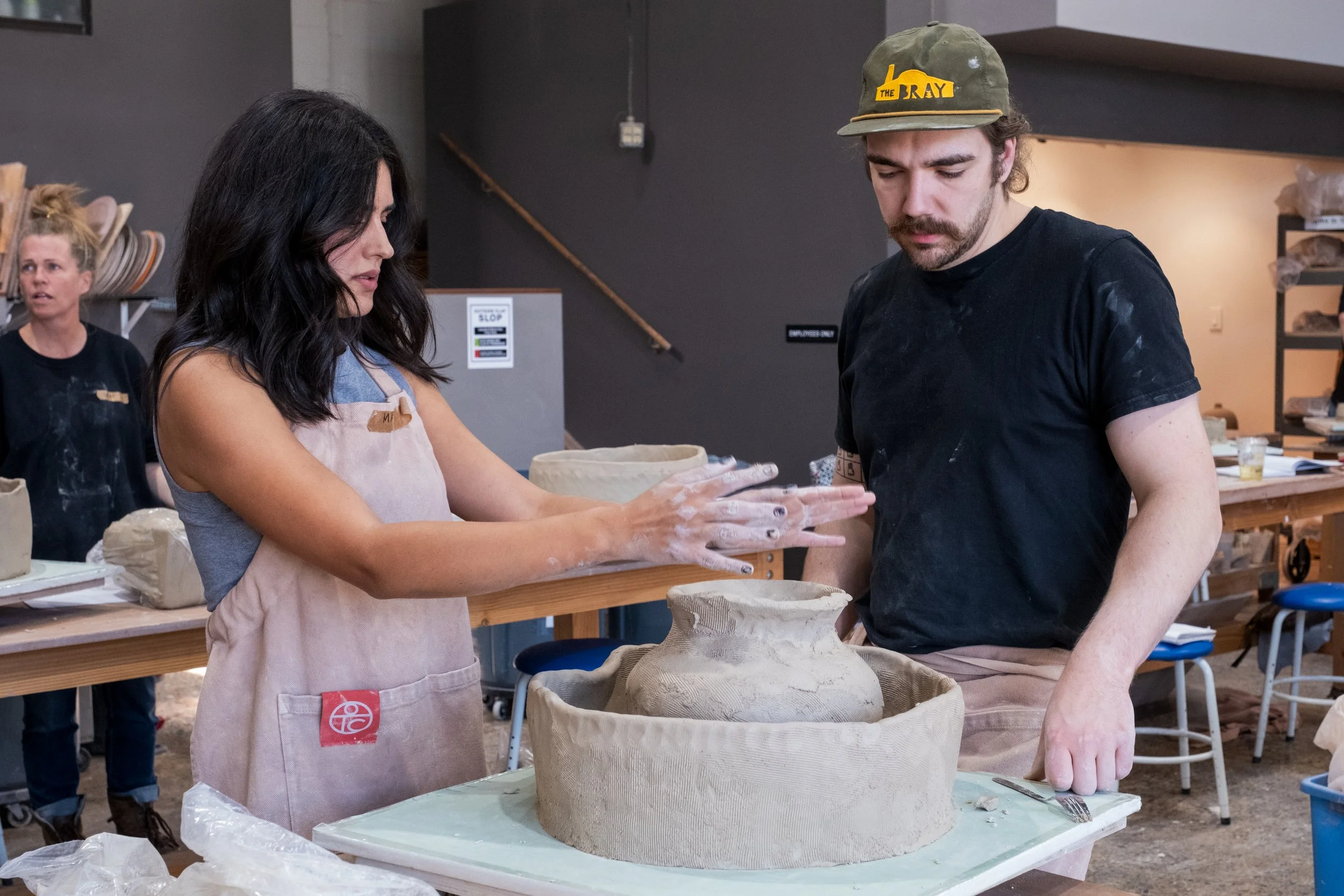
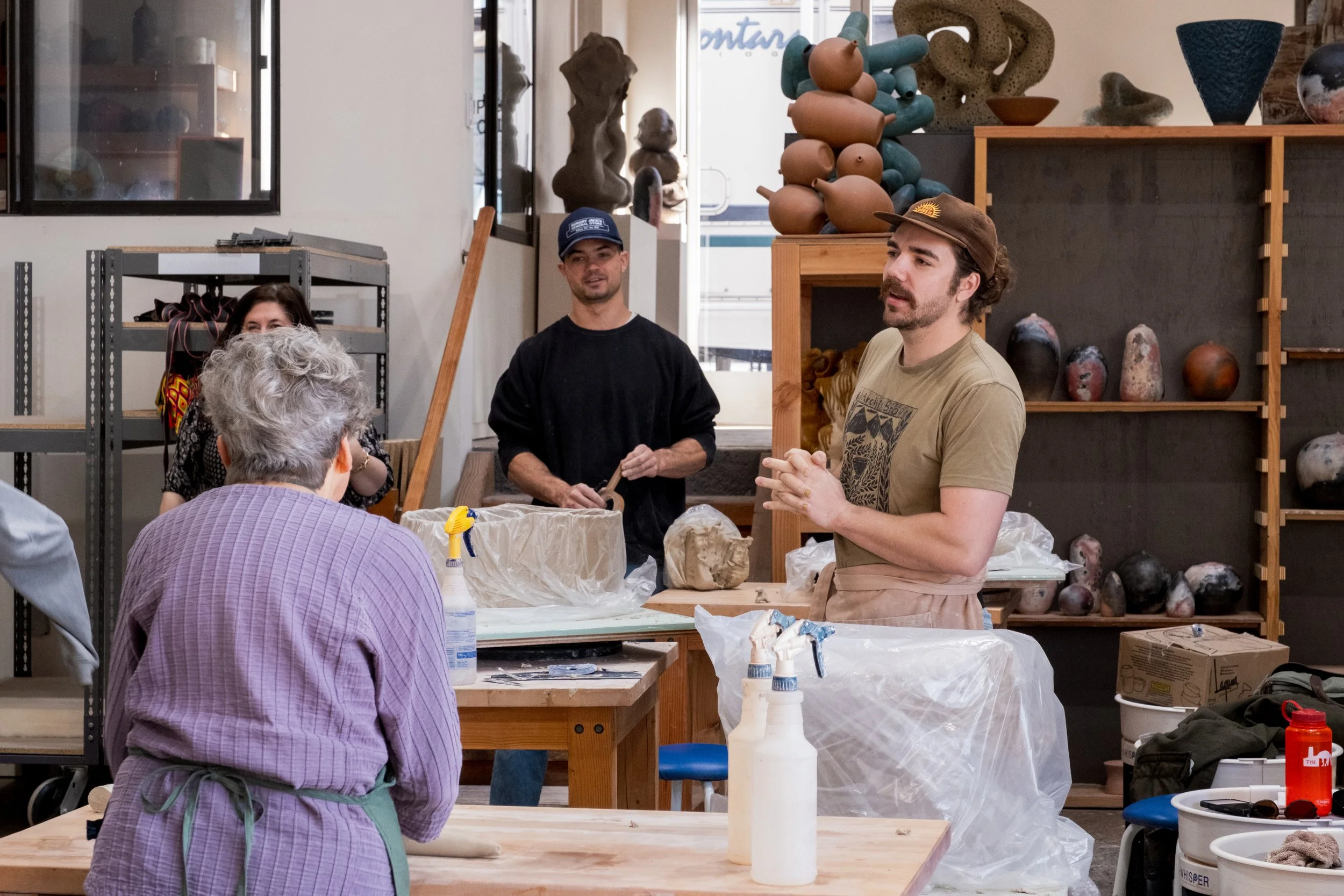
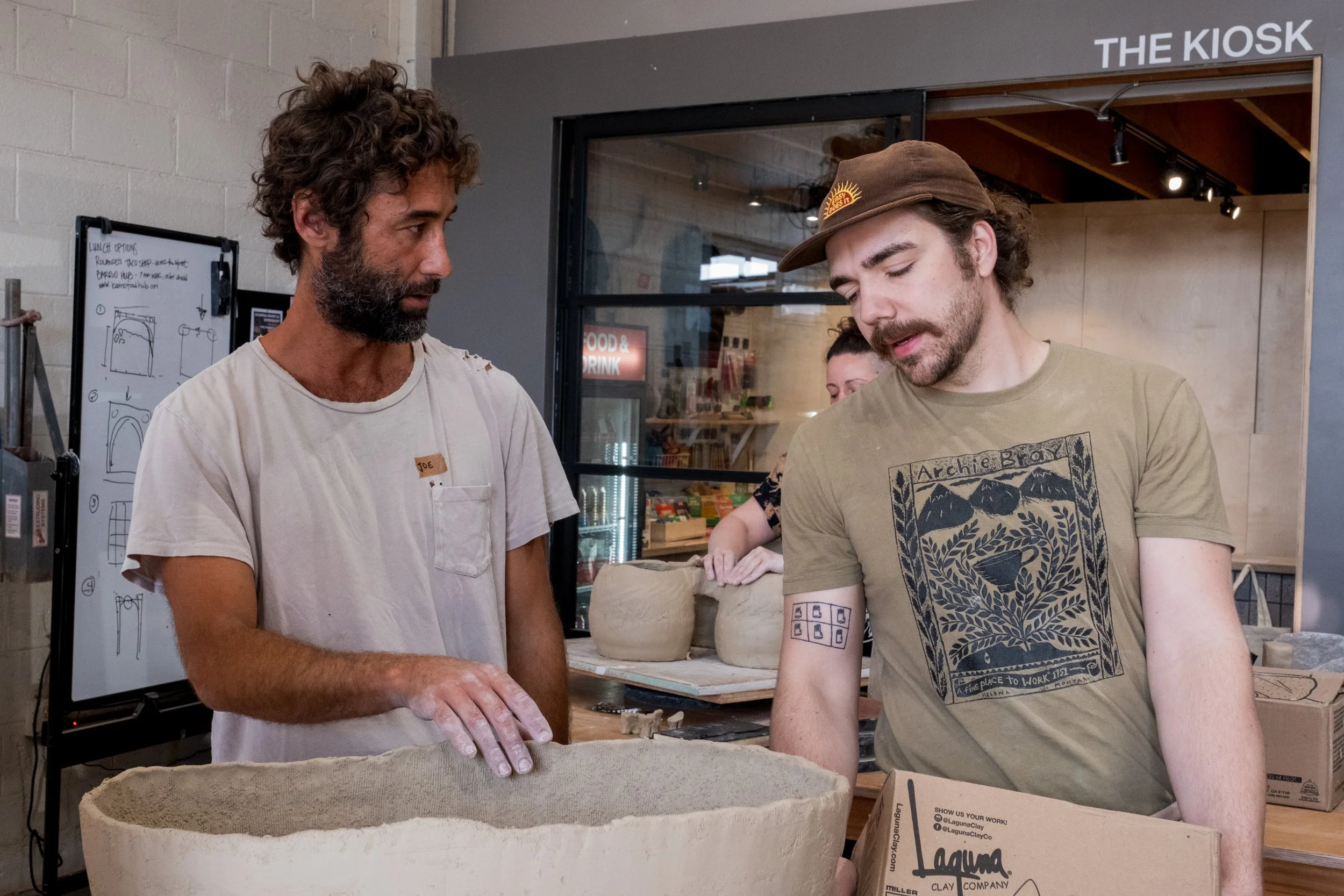
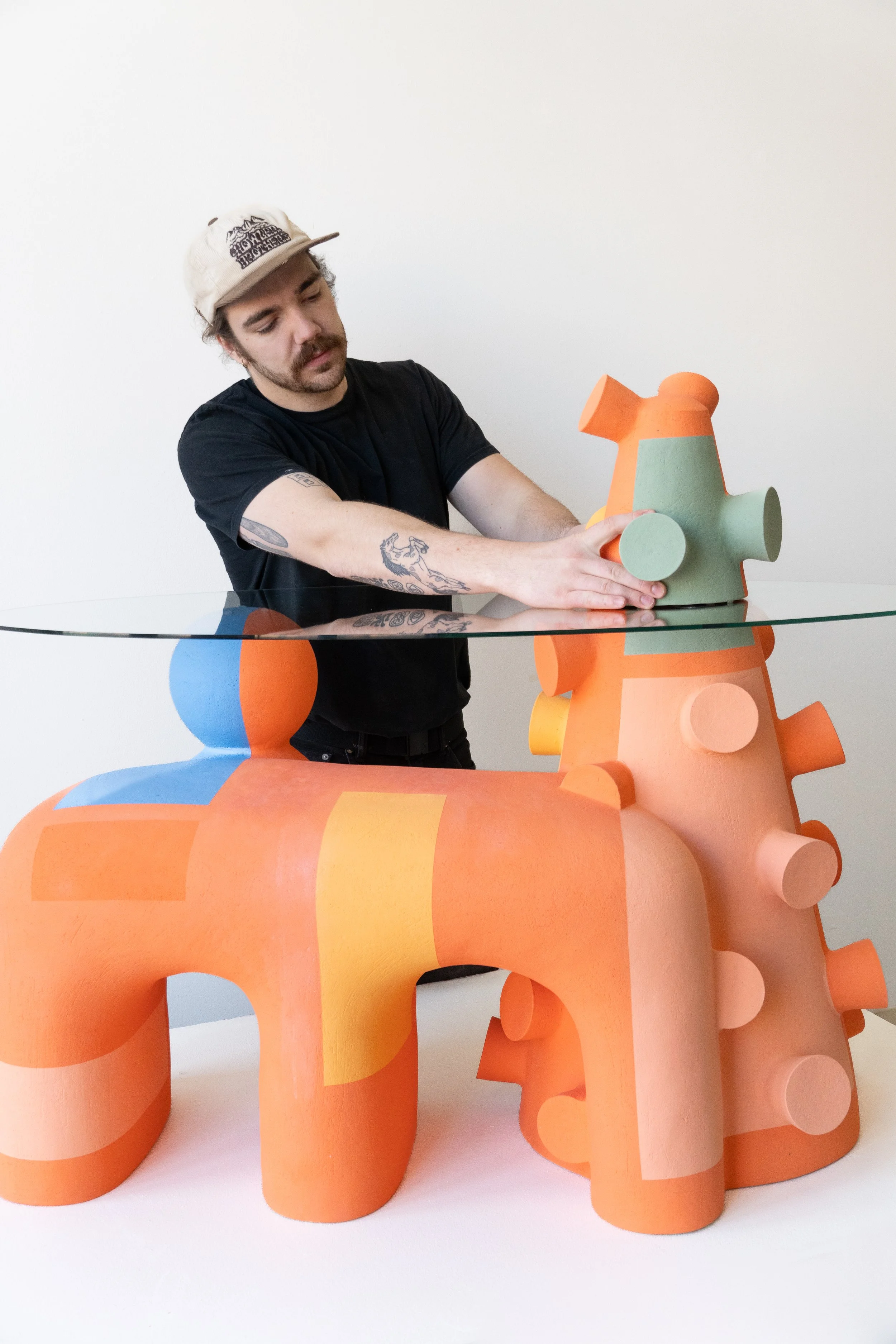
Join me for an immersive five-day workshop In Joshua Tree, California, where you'll create your own ceramic furniture—choosing from a chair, stool, or side table. Led by ceramic artist, designer, and educator Austin Coudriet, this workshop will focus on advanced hand-building techniques, with a special emphasis on designing and constructing strong internal structures to support large-scale ceramic forms.
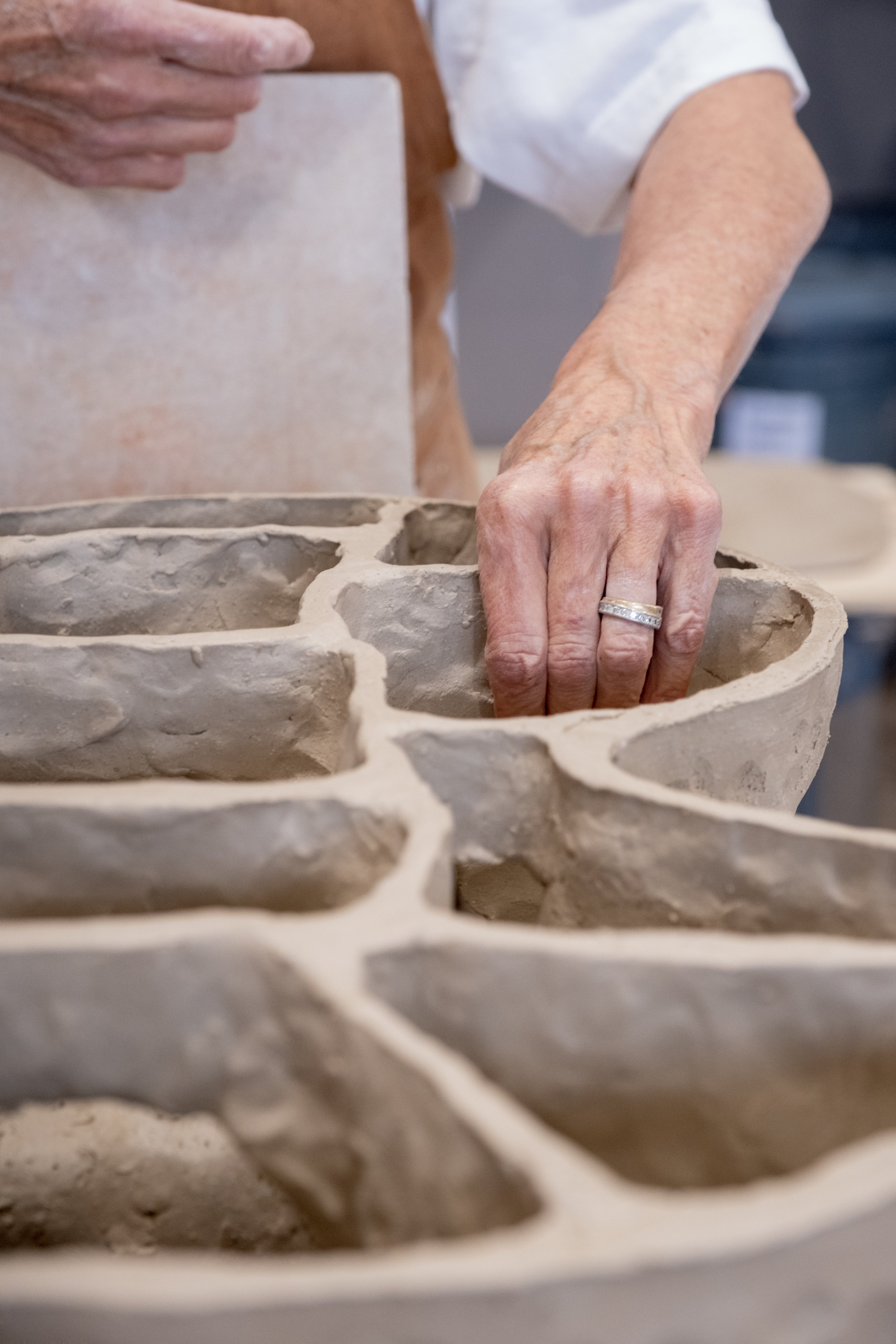
By integrating coil and slab-building techniques, we’ll explore methods for reinforcing large-scale forms, including the use of internal ribs, hollow chambers, and strategic bracing. This hands-on approach will give you the skills to design ceramic furniture that is both structurally sound and visually compelling.
Additionally, we’ll cover moisture control, shrinkage planning, and structural attachment techniques to help your work withstand the challenges of ceramic furniture-making. This masterclass is designed for intermediate to advanced makers eager to refine their skills and push creative boundaries. If you're a beginner, prior experience is recommended before enrolling.
Beyond the studio, take advantage of your time in Joshua Tree —Joshua Tree National Park offers world class hiking, rock climbing, scenic drives and incredible stargazing!
*Refund Policy – Joshua Tree Workshop
Before April 15th: A refund of $1,150 will be issued for cancellations.
After April 15th: No refunds will be available. However, if the vacated spot is filled by another student, a partial refund of $950 may be granted.
**Firings not included. additional firing fees will be discussed in the workshop
Day 1: Introduction to Design, Materials, and Coil-building
Morning Session: Introductions and Design Foundations
Welcome and Presentation
Austin introduces the workshop, outlines the 5-day arc, and shares insights into ceramic furniture design, scale, and interior structures
Understanding Material Properties
Presentation and discussion covering:
Slab shrinkage and clay memory
Thickness, weight, and gravity in furniture-scale work
Interior structure considerations for functional ceramic furniture
Discussion: Risk, Scale & Expectation
Understanding loss as part of the process
Designing with firing realities in mind
Design Exploration
Students sketch a handful ofdesign ideas
Emphasis on achievable forms for first-time furniture makers
Austin provides individual feedback, helping students identify:
Which designs are structurally viable
Which ideas may need simplification or rethinking
Students make Maquettes of their top designs
Afternoon Session: Start on the Main Furniture Piece
Slab and coil demonstrations by Austin
Base Slabs & Initial Construction
Proper slab compression to prevent warping, sinking, and cracking
Crafting and attaching coils for maximum strength and efficiency
Reading stress points early in the build
Day 2: Construction & Internal support Systems
All-Day: Building & Internal Support
Austin works one-on-one with students, focusing on:
Wall thickness and weight distribution
Strategic use of internal supports
Timing and pacing for large-scale builds
Demonstrations by Austin on when and how to add internal supports
Day 3: Furniture Fabrication
All-Day Session: Furniture Height & Arch Supports
Main Furniture Construction
This day is dedicated to sustained building time.
Austin will demonstrate Arch Supports
Instruction and demos covering:
How and when to add arch supports
How to convert arch supports into a grid structure
Day 4: Surface Refinement, Flipping furniture
All day:
Students building upside-down will prepare to flip works
Austin demonstrates and guides:
How to prepare the bottom of a piece in order to flip
Proper tools needed to flip a piece
How and when to flip a piece
Austin will instruct on surface refinement and how to properly smooth a form
Day 5: Finishing work, Firing cycles & Transportation
Morning Session: Finishing details & Kiln cycles
Pre-Kiln Preparation
Final checks for thickness consistency
Cleaning edges and undersides
Planning for transport and firing logistics
Kiln Firing Schedules
Austin explains:
Kiln firing schedules for large ceramic furniture
Common failure points during bisque and glaze firing
His personal firing schedules and reasoning
Afternoon Session: Transporting Work, Drying work, Q&A
Drying strategies for large work
Instruction on:
Controlled drying techniques
Supporting weight during drying
Avoiding collapse, cracking, and uneven shrinkage
Surface treatment for large work
Instruction on:
Types of surface treatments for furniture pieces; glaze, underglaze, slip, paint, etc.
Functional vs. aesthetic finishes
Durability, texture, and long-term use
Loading and Transporting Work
Austin assists students with:
Safe loading techniques
Supporting large ceramic pieces during transport
Planning next steps after the workshop
Closing Conversation
Reflection on process and learning
Q&A and next-step guidance for future furniture projects
Outcome:
By the end of the workshop, participants will have successfully crafted a one-of-a-kind ceramic furniture piece, having navigated the entire process from conceptual design to material selection, construction, and finishing techniques. Through hands-on practice, they will gain a comprehensive understanding of the technical challenges and creative possibilities involved in ceramic furniture-making. Participants will:
Master Essential Ceramic Techniques: Learn and apply foundational skills such as slab construction, coil building, and the use of internal supports to create durable and functional pieces.
Understand Material Properties: Deepen their understanding of clay behavior, such as shrinkage, warping, and cracking, and learn how to manipulate these properties to ensure the longevity and stability of their work.
Learn Adaptive Problem-Solving: By troubleshooting construction issues like warping, cracking, and weight distribution, participants will learn how to think critically about their furniture design and how to make adjustments as needed.
Navigate the Firing Process: Learn about kiln schedules, firing temperatures, and proper drying techniques, empowering them to manage the critical stages of firing and prevent issues during the drying process.
In addition to acquiring technical skills, participants will leave the workshop with the confidence to approach future projects independently, armed with a thorough understanding of the complexities involved in large-scale ceramic works and furniture design.